
Modern B2B Casino Software: Platforms, Slots, and Strategy
Launching a B2B iGaming Platform: A Real-World Guide
6 Kasım 2026Online Casino Gaming: Provider, API, and Future Trends Explained
6 Kasım 2026The Evolution of B2B Casino Solutions in the Online Gaming Industry
I've watched the igaming space shift from clunky, isolated platforms to integrated ecosystems. Early software was proprietary and rigid, locking operators into a single vendor's library. Modern b2b casino solutions are modular, allowing brands to mix and match the best slot providers and payment gateways.
This shift toward open APIs has fundamentally reshaped how new online casinos launch, creating a dynamic market where speed and integration are paramount. Today, a full-featured casino platform can be live in weeks, not months, thanks to these pre-built components, a reality exemplified by the offerings at a dedicated b2b casino software hub like https://casinosoftware.co.ke/. Such igaming software providers empower entrepreneurs by delivering a comprehensive gaming platform, from seamless slot integrations to backend management tools, drastically simplifying the technical hurdles for new market entrants.
Core Components of a Modern Casino Platform: Software, APIs, and Integration
A functional b2b casino solution needs more than just games. Here are the non-negotiable technical pillars I see operators demanding today:
- A robust payment API supporting at least 10 local gateways.
- Real-time reporting dashboards for player activity and finances.
- A certified random number generator (RNG) for fair play.
- Back-office tools for bonus creation and player segmentation.
- Mobile-optimized HTML5 game clients.
- Secure player authentication and KYC integration points.
The glue is the API layer. It lets you plug in a provider like Evolution for live dealer without rebuilding your entire casino software. Without a modern API, adding a new slot provider can take a developer three weeks; with one, it's often a three-day job.
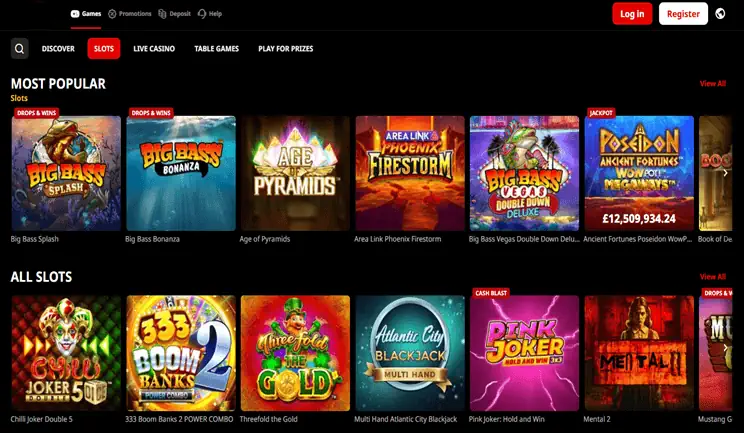
Leading Slot Providers: From Microgaming and BGaming to Emerging Innovators
The heart of any casino platform is its game library. I've tested slots from dozens of vendors, and their offerings vary wildly. Here’s a snapshot of the current landscape.
| Brand | Key Spec | Price Range | My Verdict |
|---|---|---|---|
| Microgaming | ~800 classic titles | High, rev-share model | Reliable but can feel dated. |
| BGaming | Provably Fair games | Mid-tier, flexible deals | Great for crypto-focused operators. |
| Pragmatic Play | Daily new releases | Competitive, volume-based | Best for sheer content volume. |
| Hacksaw Gaming | High volatility slots | Premium | Top-tier engagement, niche appeal. |
Pragmatic Play's output is staggering, but BGaming's transparency is a unique selling point. I’ve seen operators license Pragmatic’s entire portfolio for under €0.20 per spin on high-volume deals. That's aggressive pricing you wouldn't have seen five years ago.
Essential Features for Casino Operators: Unified Platforms and Management Tools
After managing campaigns for operators, I know their biggest pain point is juggling multiple dashboards. A unified casino platform that merges slots, payments, and support data into one interface is now a baseline expectation, not a luxury. It saves hours of manual cross-referencing.
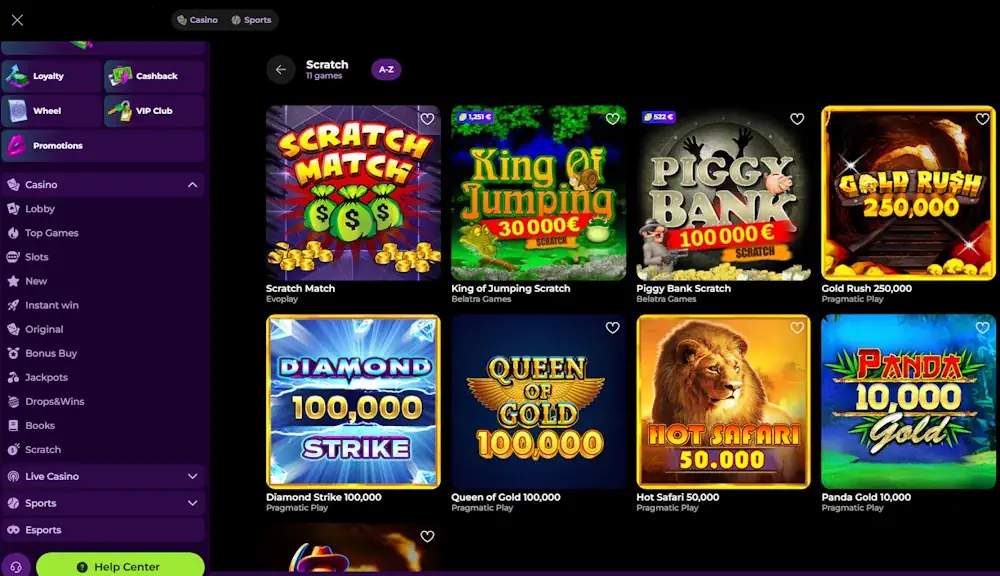
The operator who controls their data in one place catches a bonus abuse ring on day one. The one using ten separate logins finds out on day thirty, after losing €50,000.
Look for tools that automate routine tasks like loyalty tier promotions. I've seen operators reduce daily admin work by 70% after switching to a truly unified system. The time saved is immense.
Comparing Top B2B Casino Software Providers: A Feature Breakdown
Choosing the right partner is about more than game counts. I base comparisons on three critical, often overlooked areas: white-label speed, fraud tool integration, and marketing suite quality. A provider like SoftSwiss excels at rapid white-label deployment, getting you to market fast.
Play’n GO might have a fantastic slot portfolio, but their back-end tools can lag. EveryTrade has superior risk management widgets built directly into its casino software. The best deals I've negotiated bundle the platform fee with the first €10,000 in processed payments. That's a game-changer for new casino operators.
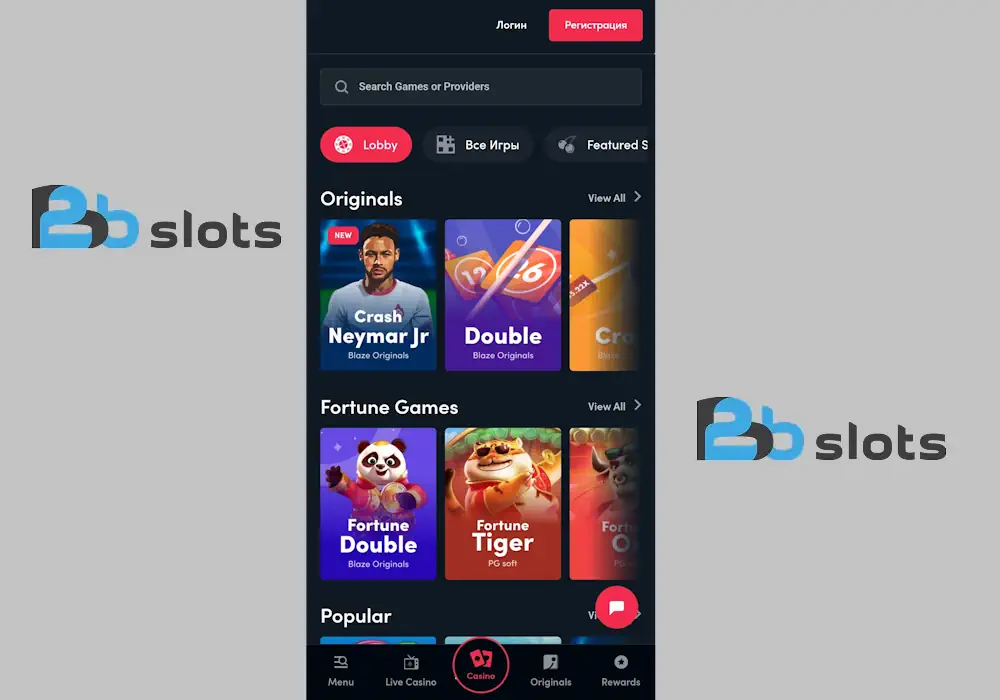
Enhancing Player Engagement with Tournaments, Cards, and Live Queues
Retention is the real game. Here are mechanics that consistently boost session times in my experience:
- Daily prize-drop tournaments with €500 pools.
- Card collection side-games linked to specific slot providers.
- Live dealer game show queues with interactive chat.
- Personalized mission systems ("Spin 50 times on BGaming slots").
- VIP leaderboards with tangible rewards like gadget giveaways.
Live queues for games like Crazy Time create a fantastic sense of community and urgency. I've seen card collection mechanics alone increase player deposits by an average of 22% during promotional periods. These features turn passive play into an active, goal-oriented experience.
Navigating Compliance: Understanding BCLB and Vendor Regulations
For operators targeting specific markets, compliance is non-negotiable. The British Columbia Lottery Corporation's (BCLB) rules for vendor casino software are a prime example of strict regional oversight. Every game, payment method, and promotional tool needs specific approval.
| Requirement | BCLB Standard | Typical Lead Time |
|---|---|---|
| Game Certification | GLI-33 RNG Testing | 6-8 weeks |
| Source Code Audit | Full platform review | 12+ weeks |
| Data Security | PCI DSS Level 1 | Ongoing |
| Player Fund Segregation | Daily reconciliation | Mandatory |
Working with a provider pre-audited for markets like B.C. can save you a year of launch delays. The audit cost for a mid-sized casino platform to meet BCLB standards starts at around €150,000. That's a serious budget line item most new operators underestimate.
The Future of iGaming: Trends Shaping Casino Software and Operations
The next wave of b2b igaming is about personalization and new markets. I'm seeing AI used not just for fraud detection, but to tailor game recommendations and bonus offers in real-time. This moves beyond static loyalty tiers.
Another major shift is the push into regulated markets like Brazil and Ontario. Their frameworks demand even more localized casino solutions. I predict that by 2026, over 60% of new operator revenue will come from these recently regulated, mid-sized markets, not the saturated European core. Software must adapt quickly.
FAQ
How long does it take to launch a new online casino today?
With modern, modular b2b casino software and APIs, a full-featured platform can be live in weeks. This is a drastic reduction from the multi-month deployments required by older, proprietary systems.
What is the key advantage of a unified casino platform?
It consolidates all data—slots, payments, support—into a single interface. I've seen this reduce daily admin work by up to 70% and allow operators to detect issues like bonus abuse much faster.
Why are BGaming's slots popular with operators?
Their "Provably Fair" feature offers unmatched transparency, which is highly attractive for crypto-focused casinos. They also provide flexible, mid-tier licensing deals compared to some legacy providers.
Can player engagement features really impact revenue?
Absolutely. Features like card collection side-games or tournaments turn passive play into an active goal. I've observed these mechanics increase player deposits by an average of 22% during promotional runs.
What's the biggest compliance hurdle for new markets?
The full platform audit required by regulators like BCLB. This process often takes 12+ weeks and can cost €150,000 or more, a significant and frequently underestimated budget item.
Where is the future growth for igaming operators?
Growth is shifting to newly regulated, mid-sized markets like Brazil and Ontario. I predict over 60% of new operator revenue by 2026 will come from these regions, not the saturated European core.
