
Casino Controls Compared: A Safer Way to Use Free Spins
NV Casino: opportunités de gains et bibliothèque de jeux exceptionnelle
17 Kasım 2026Don’t Fall For This cirkofonic.com/nz/online-casinos Scam
17 Kasım 2026
Free spins can make a slot session feel more exciting, but the most useful comparison is not between offers alone. It is between the controls that help you decide how much time and money to spend before the feature begins. The sweet bonanza free play information available to Canadian readers can help distinguish the game’s built-in feature from casino promotions, while operator-level tools determine how easily you can set limits, pause play or review activity.
Which controls belong to the game, and which belong to the casino?
The slot itself provides information and play settings rather than a complete responsible-gambling system. Its information screen can show the rules, the applicable RTP configuration and the available stake options. Game history may also be accessible through the interface, allowing you to review previous rounds. Depending on the casino’s implementation, autoplay and quick-spin settings may be available as well.
Those features should not be confused with spending safeguards. A spin button, autoplay function or game-history display does not automatically set a budget or prevent continued play. Deposit limits, loss limits, session reminders, cooling-off periods and self-exclusion are normally managed by the casino account. Availability can depend on the operator and the rules that apply in the player’s province.

This distinction matters when comparing free play with real-money activity. Demo access, where offered, uses virtual credits and does not test how you will react to losses, wins or extended sessions. Real-money play uses the casino balance and therefore needs account-level controls. Before playing, check where the operator places its limit settings and whether they apply immediately or from a later date.
How should a player set a practical session boundary?
Begin with a total entertainment budget rather than a target win. The amount should be money you can afford to lose without affecting rent, bills, debt payments or essential spending. Decide the maximum before opening the game, and avoid treating a win as permission to increase the original limit. A separate gambling budget can make the boundary easier to maintain.
Next, choose a time limit and a stopping signal. A phone alarm may help, but an operator’s session reminder is preferable when available because it is tied to account activity. Select a modest stake that allows the planned session to continue without exhausting the budget quickly. More spins do not create a reliable path to a profit, and previous results do not improve the next random outcome.
Write down the rules in plain language: maximum spend, finish time, no borrowing, and no deposits after the limit is reached. If a session ends early because the budget is gone, stop rather than attempting to recover it. If the casino offers deposit or loss limits, set them before playing and confirm the value, duration and activation terms in the account settings.
Why can free spins and bonus offers require extra caution?
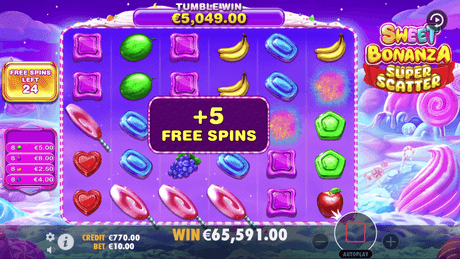
The built-in Free Spins feature is part of the game’s rules. In the documented version, four or more Scatter symbols can trigger the feature, which begins with 10 spins; three or more additional Scatters can add five spins. Multiplier symbols may appear during the feature. These mechanics can create longer sessions, but they do not change the random nature of outcomes.
Promotional free spins are different. A casino may offer them as part of a welcome, reload or game-specific promotion, with conditions set by that operator. Wagering requirements, expiry dates, maximum-bet rules and game-contribution percentages can affect whether promotional winnings become withdrawable. None of those terms should be assumed from the game’s standard Free Spins rules.
Read the promotion terms before accepting an offer, then ask whether the bonus fits your predetermined budget. A promotion that requires continued play may encourage a longer session than intended. For general information about gambling-related harm and support, consult problem gambling information from CAMH. If an offer feels difficult to decline, skipping it is a valid decision.
What should you check when comparing operator safeguards?
Do not compare casinos only by the availability of free spins. Look for clearly described controls and practical access to them. Useful features may include deposit limits, loss limits, session or reality checks, temporary account breaks and permanent self-exclusion. The operator should explain how each tool works, what period it covers and whether changes take effect instantly.
Pay attention to the difference between a deposit limit and a loss limit. A deposit limit restricts money added to the account, while a loss limit may be calculated differently under the operator’s terms. Neither necessarily measures emotional risk or time spent. A casino with several tools may still require you to activate them manually, so locate the settings before beginning a session.
Account history can support a more accurate comparison. Review deposits, withdrawals, wagers and time played where those records are available. Look for customer-support contact details and ask how a cooling-off request or self-exclusion works. Do not rely on the game provider for account intervention: the casino hosting the game controls the balance, verification, support and responsible-gambling settings.
When is pausing better than adjusting the stake?
Reducing the stake can lower the cost of each spin, but it does not always solve a problem with time, concentration or chasing losses. A pause is more appropriate when you notice repeated deposits, frustration after losing, reluctance to stop after a win, or gambling during work, study or important personal commitments. These signs call for distance rather than a new betting strategy.
Use the least restrictive tool that genuinely matches the concern. A short break may suit someone who wants to step away and review their spending. A longer cooling-off period can be better when urges continue. Self-exclusion is the stronger option when gambling is becoming difficult to control. Ask the casino to explain the process, including duration, account access and any limits on reversal.
Make the pause meaningful by removing easy prompts to return. Log out, disable promotional notifications and avoid keeping gambling funds readily available. Tell a trusted person if outside support would help. Chasing, doubling stakes or buying a feature to recover earlier losses increases exposure rather than repairing the result. The safest decision can be to end the session and leave the account inactive.
Questions Canadian players often ask
Are in-game Free Spins the same as promotional free spins?
No. In-game Free Spins are triggered by the slot’s own Scatter rules and use its standard mechanics. Promotional free spins are supplied by an operator and may have separate wagering, expiry, maximum-bet and withdrawal conditions. Always read the casino’s promotion terms before accepting an offer or treating resulting funds as withdrawable.
Can a demo session prove that I can control my spending?
No. Demo play uses virtual credits and removes the financial pressure present in real-money sessions. It may help you understand the controls, but it cannot show how you will respond to losses, wins, extended play or promotional conditions. Set account limits before real-money activity rather than relying on confidence from practice.
Who should handle a request for self-exclusion?
The casino hosting the game should handle self-exclusion, cooling-off periods and account-level limits. The game provider does not normally manage your balance or personal account. Contact the operator’s support team or responsible-gambling section, confirm the restriction’s duration and keep written confirmation of the request for your records.
