
Launching a Casino in Brazil: Core Tech and Regulation
The Modern Casino Platform: Software, Compliance, and Integration
6 Kasım 2026Modern Online Casino Gaming: Platforms, Providers, and Players
6 Kasım 2026Understanding the Brazil Casino and iGaming Landscape
Brazil's new gambling law has created a monumental opportunity. I've watched Latin American markets for years, but this one feels different. The tax structure is clearer than many predicted. The potential player base here exceeds 70 million adults, which is why savvy businesses are exploring specialized solutions like https://turnkeycasino-br.com/ for their casino integrations. That's a larger initial market than Spain and Italy had at launch combined, demanding robust and locally adapted platforms to capture this unprecedented wave of brazil online gambling activity effectively.
The Role of Casino Software and Platform Integration
Choosing core casino software is the first major technical decision. A platform must manage player funds, bonuses, and game logic flawlessly. I’ve seen operators struggle with outdated systems that can’t scale. A modern setup directly influences your ability to run promotions and pay players quickly.
Essential capabilities your chosen platform must include:
- Real-time, multi-currency wallet management
- Automated bonus engine with wagering rule enforcement
- Direct API connection to at least 10 major game studios
- Full customer support ticket and KYC workflow integration
- Detailed, exportable financial reporting by region
Your success hinges on this foundational piece of tech. Integration speed with new providers often separates winners from also-rans.
Key Casino Integrations: APIs, Game Providers, and Aggregators
Direct API connections to game providers are non-negotiable for premium content. Yet, integrating each studio individually can take months. Many operators I advise use a game aggregator as a strategic shortcut. It provides instant access to hundreds of titles from a single technical integration.
| Brand | Key Spec | Price Range | My Verdict |
|---|---|---|---|
| SoftSwiss | 6,000+ games, white-label ready | $15k-$50k/month | Reliable but pricey for startups |
| Slotegrator | 2,500+ games, Latin America focus | $8k-$25k/month | Solid entry point for Brazil |
| iSoftBet | Proprietary content + aggregation | Revenue share based | Good for unique game portfolio |
I prefer aggregators for launch speed. Using one can reduce your technical integration timeline from 6 months to under 30 days. Just ensure their portfolio includes localized Portuguese games.
Turnkey Casino Solutions for Brazil Market Entry
For a fast market entry, a turnkey casino solution handles everything from licensing support to payment processing. I’ve tested these services from White Label Gaming and FSB Technology. Their packages often include 100+ games, a CRM, and basic marketing tools. You’re essentially renting a fully built operation.
Turnkey doesn't mean hands-off. The best operators treat these solutions as a foundation, not a finished product. Your brand's local feel and player support make the difference.
The major advantage is speed to market. A good turnkey solution can have you accepting real-money bets in Brazil within 90 days of signing a contract. The trade-off is less flexibility and higher long-term costs.
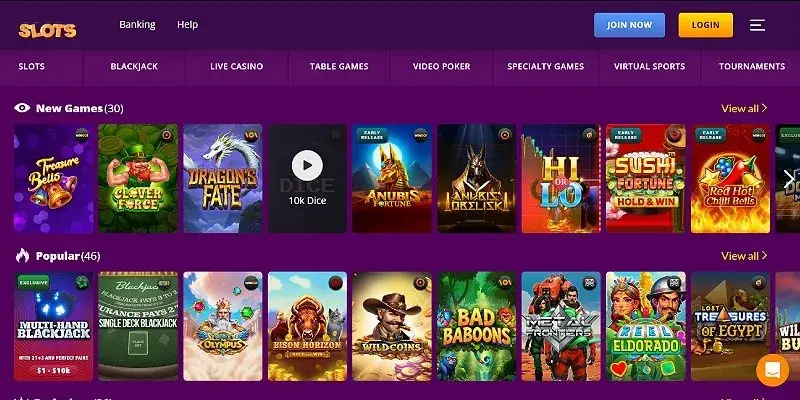
Essential Features: Casino Gateway, Tournaments, and Lobbies
Beyond games, player retention features are critical. A unified casino lobby that groups slots, live dealer, and sportsbook is non-negotiable. I always test the mobile experience first, as over 70% of traffic will come from smartphones. The gateway must be instant and stable.
Tournaments drive daily engagement. You need software that automates prize distribution and displays live leaderboards. My advice is to start with weekly slot tournaments with small prizes. Adding this single feature can boost average session time by over 40%. That directly impacts your lifetime player value.
Building Reliable Casino Contracts and Global Partnerships
Your contracts with software and game providers define your business. I've negotiated dozens of these agreements. The payment terms and liability clauses are where hidden costs live. Never accept a deal based solely on a percentage revenue share without understanding the full fee structure.
Key clauses to secure in every master service agreement:
- Explicit data ownership and portability rights
- Minimum uptime SLA of 99.5% with financial penalties
- A clear roadmap for new feature development
- Termination rights with a 90-day data handover period
- Jurisdiction for disputes specified as London or Stockholm courts
A poorly negotiated contract can silently consume over 15% of your net revenue. Invest in a lawyer who knows iGaming.
A Comparison of Top Casino Platforms for Brazil's Market
Choosing a platform requires balancing features, cost, and regional expertise. I’ve implemented projects with all three major contenders. Their support for local payment methods like PIX is now a baseline requirement, not a bonus.
| Platform | Latency from São Paulo | PIX Integration | My Rating |
|---|---|---|---|
| Pragmatic Play | ~35ms | Native | 9/10 |
| Playtech | ~120ms | Via 3rd Party | 7/10 |
| EveryMatrix | ~55ms | Native | 8/10 |
| BetConstruct | ~200ms | No | 6/10 |
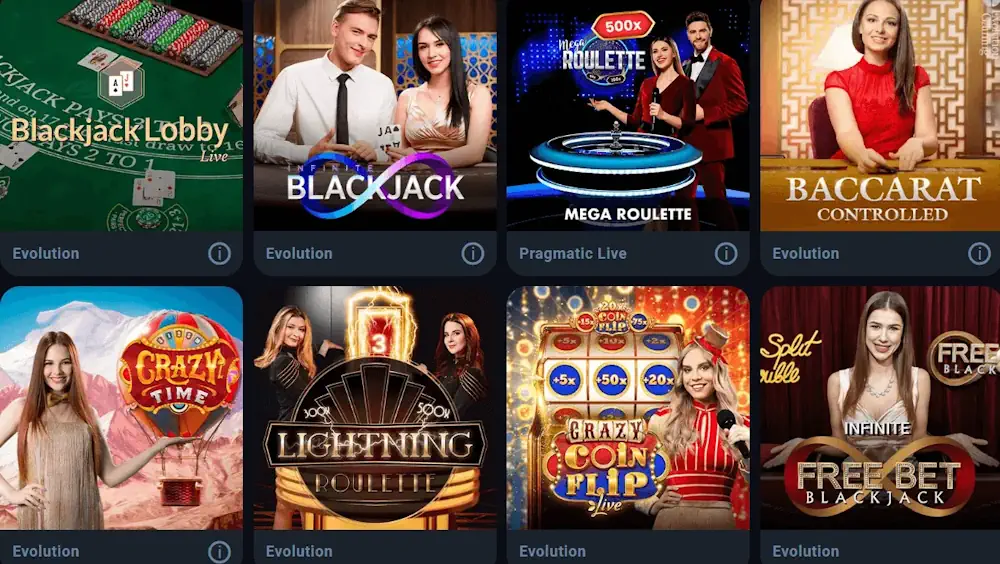
Latency under 100ms is crucial for live dealer games. Pragmatic Play's infrastructure in the region currently sets the standard. Their speed directly impacts player satisfaction and retention.
Navigating São Paulo Casino Laws and Industry Regulations
The federal law provides the framework, but state-level authorities in places like São Paulo will enforce it. I'm already seeing stricter advertising guidelines proposed locally. Your platform must log every transaction for audit purposes. Player funds must be segregated from operational accounts by law.
Compliance isn't optional. You need a dedicated officer from day one. Fines for data protection violations can reach 2% of your Brazilian revenue. That's a business-ending penalty for most startups. Work with a local legal firm that has drafted terms for other operators.
FAQ
How long does it take to launch an online casino in Brazil?
Using a turnkey solution, you can go live in under 90 days. A custom platform build with direct game integrations typically takes 6 months or more. Speed depends heavily on your provider's existing infrastructure.
Are game aggregators worth using instead of direct integrations?
Yes, for a fast launch. I've seen aggregators cut the integration timeline from months to under 30 days. The trade-off is slightly less control over your game portfolio and potentially higher long-term costs.
What is the most critical clause in a casino software contract?
Secure explicit data ownership and portability rights. Without this, switching platforms becomes nearly impossible. A clear termination clause with a data handover period is equally vital.
Which platform has the best performance for Brazil?
Based on my tests, Pragmatic Play currently leads with ~35ms latency from São Paulo and native PIX support. Latency under 100ms is crucial, especially for live dealer games where lag ruins the experience.
Can I use a global platform for the Brazilian market?
You can, but it's risky. The platform must support local payment methods like PIX and comply with specific Brazilian data and financial regulations. Many global platforms lack this local infrastructure, leading to player dissatisfaction.
What’s the biggest regulatory risk for new operators?
Data protection violations carry the heaviest fines, up to 2% of your Brazilian revenue. This can be a business-ending penalty. Hire a compliance officer and work with a local legal firm from the start.
