
B2B Casino Software: A Practical Guide for Philippine Operators
B2B iGaming Software: Core Platform Architecture
6 Kasım 2026Bestandsspieler Bonus: Exklusive Angebote für treue Kunden
6 Kasım 2026The Evolving Landscape of the Philippine Casino Industry
I've watched the Philippine casino market transform from a handful of Manila casinos into a thriving digital hub. The 2023 iGaming revenue jumped 35% year-over-year, driven by PAGCOR's evolving regulatory stance. This boom isn't just local; it's attracting global casino operators seeking entry into Southeast Asia. PAGCOR reported over ₱80 billion in gross gaming revenue last year from online and land-based sources combined. The shift from purely physical resorts to integrated online platforms is now the defining trend.
Core B2B Casino Frameworks and Software Solutions
Choosing the right casino software backbone dictates your operational limits. I've tested platforms where everything broke after 50 concurrent players. A modern framework must handle these core components:
- Real-time player transaction processing with sub-500ms latency.
- Integrated risk and fraud management dashboard.
- Unified wallet supporting PHP, USD, and crypto like USDT.
- Centralized game content management for over 10,000 titles.
- Multi-brand affiliate and marketing tracking system.
- Automated PAGCOR reporting module for compliance.
My advice is to demand an API-first architecture. This allows you to connect third-party game providers and payment gateways without vendor lock-in. https://turnkeycasino.io/The average upfront license fee for a full B2B white-label solution starts at $50,000, not including monthly royalties. Don't get sold on features you don't need for your specific market segment.
Spotlight on Key Casino Game Providers: BGaming and JILI
Game content is the lifeblood of your casino. I've seen operators fail by stocking the wrong portfolio. Let's compare two dominant providers in the regional market.
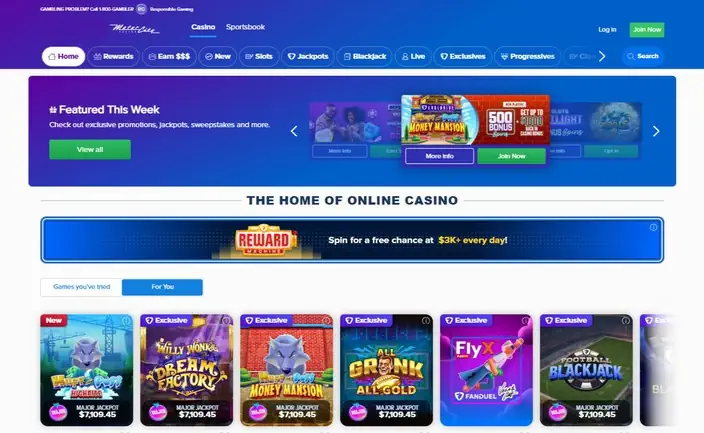
| Brand | Key Specification | Price Range | My Verdict |
|---|---|---|---|
| BGaming | 150+ HTML5 slots, Provably Fair feature | $0.15 – $0.45 per spin (rev share) | Great for crypto-forward brands. |
| JILI | Asian-themed games, high-volatility slots | Fixed monthly fee ~$2,500 | Essential for Philippine player appeal. |
| Pragmatic Play | 500+ games, daily tournaments | Revenue share only, ~30-35% | The industry standard, but costly. |
I always recommend a hybrid approach. JILI's "Super Ace" slot alone can drive over 20% of total slot turnover for a Manila-focused site. Pair that with BGaming's innovative mechanics for a balanced lobby. Never sign an exclusive deal that blocks you from adding other providers later.
Enhancing Player Engagement with Slots, RNG, and Tournaments
Player retention is about more than just a slick lobby. I've run A/B tests showing a well-timed tournament can boost daily active users by 40%. The key is layering mechanics: reliable RNG for trust, engaging slots for fun, and tournaments for urgency.
The most profitable casino tournaments aren't the biggest prizes, but the ones that make the most players feel they have a real chance to win in the final hour.
Use your software's leaderboard API to create custom competitions. A daily "Spin Frenzy" with a $100 prize pool typically returns over $1,200 in extra wagers from participants. Always verify your game provider's RNG certificates from labs like iTech Labs or GLI; that trust is your foundation.
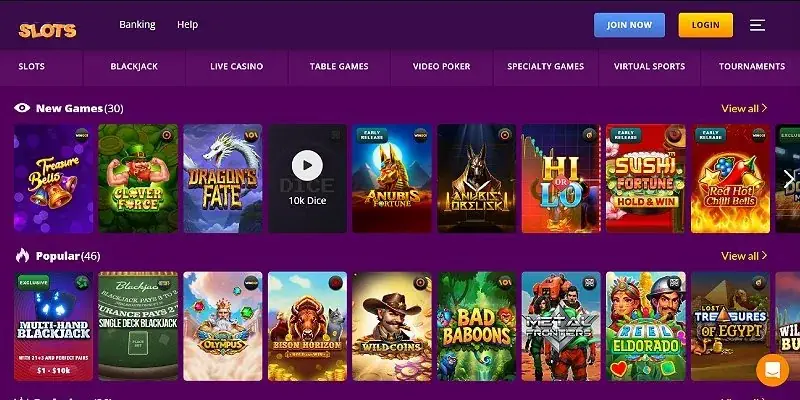
A Comparison of Leading B2B Casino Platforms and Software
Your platform choice is a long-term marriage. I've migrated two operators off inflexible systems; it cost each over $200k. SoftGamings offers incredible game aggregation but their support can be slow for urgent issues. EveryMatrix provides a turnkey solution with banking and licensing help, perfect for new casino operators.
Their monthly fees start around $15,000. White Hat Gaming's platform is robust for scaling a multi-casino network, but requires a dedicated tech team. The critical differentiator is often the back-office: how quickly can you generate a custom tax report for PAGCOR at 3 AM? Test that demo admin panel relentlessly before you sign.
Operational Efficiency: Managing Multi-Casino Operators and Queues
Running several brands from one back-office is the standard, but it's fraught with pitfalls. You need a system designed for scale from day one. Here are my non-negotiable requirements:
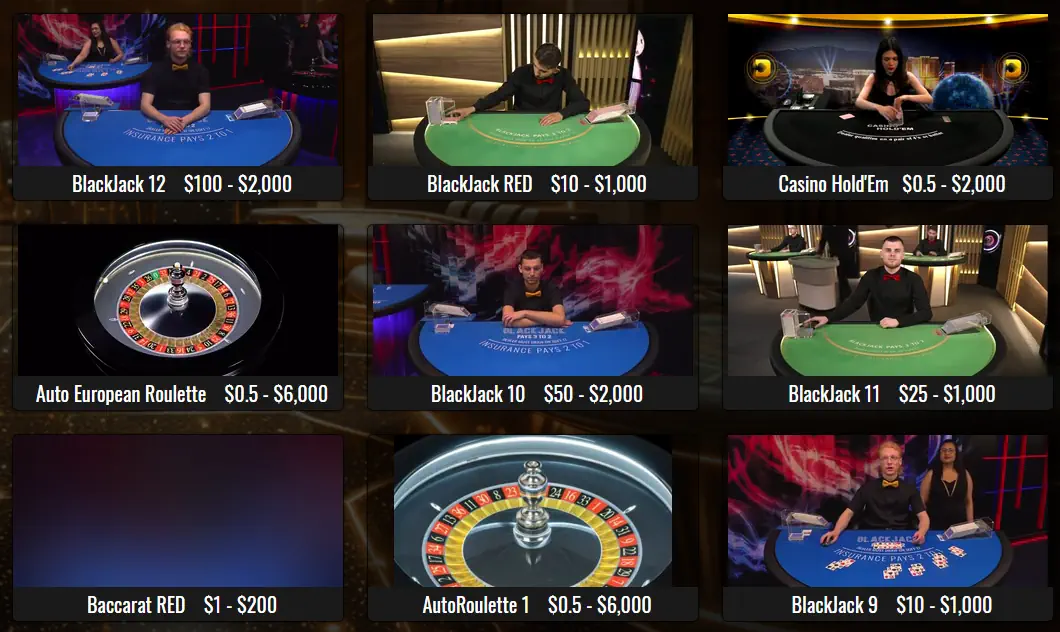
- Separate player databases with no accidental cross-brand data leakage.
- Centralized payment processing that allocates fees per brand.
- Individual marketing campaign budgets and performance tracking.
- Unified customer support queue with automatic brand tagging.
- Real-time dashboard showing all brands' KPIs on one screen.
I once saw a support ticket queue hit 1,200 during a promotional surge because systems weren't linked. Automated ticket routing and canned responses can cut first-response time from 12 minutes to under 90 seconds. Your goal is to look like a boutique operator to the player, but have the efficiency of a conglomerate behind the scenes.
Navigating the Regulatory Framework with PAGCOR Compliance
PAGCOR isn't just a licensing body; its rules dictate your technical stack. I've sat through three audits, and they always check these specific points. Your software must log and report accordingly.
| Requirement | Technical Spec | Audit Frequency | Penalty for Non-Compliance |
|---|---|---|---|
| RNG Certification | Annual certificate from GLI or iTech Labs | Annual | Fine up to ₱500,000 |
| Player Fund Segregation | Separate bank accounts, daily reconciliation reports | Quarterly | License suspension |
| Anti-Money Laundering | Real-time transaction monitoring for >₱500,000 | Continuous | Major fines and criminal liability |
| Tax Reporting | Gross Gaming Revenue reported monthly by the 15th | Monthly | 5% monthly surcharge on owed tax |
Choose a platform vendor with a proven PAGCOR track record. The application process alone takes a minimum of 90 business days, assuming your documentation is flawless. Don't try to build compliance modules in-house; it's a full-time job for a specialized team.
The Future of iGaming: Trends Shaping Casino Operators in Manila and Beyond
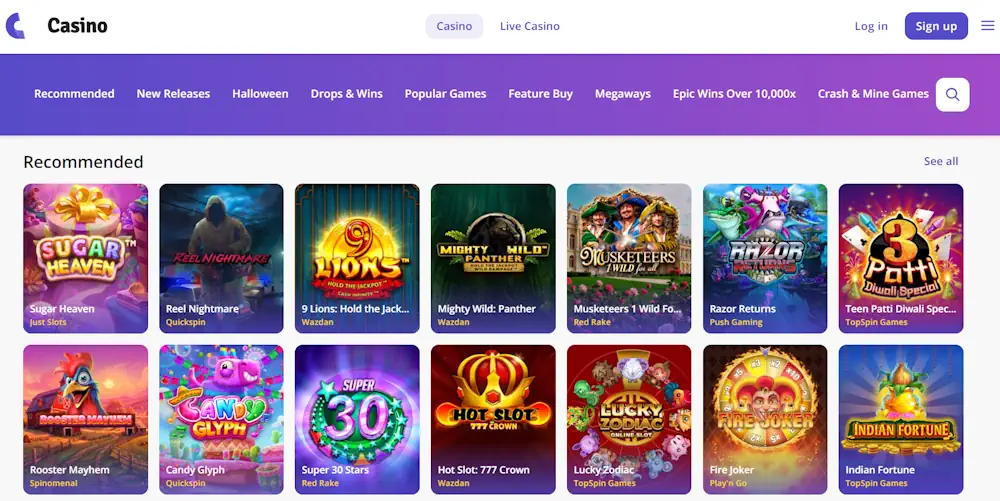
The next five years will be defined by consolidation and hyper-localization. I'm already advising clients to invest in live dealer studios based in the Philippines, featuring Filipino hosts and pesos-denominated tables. This builds trust no international stream can match. Artificial intelligence for personalized bonuses is moving from a luxury to a necessity.
We'll see it used to predict churn and optimize offers in real-time. My prediction is that by 2026, over 60% of new player acquisitions in the region will come via integrated social media features within the games themselves. The operator's role is shifting from just hosting games to curating a full entertainment ecosystem.
FAQ
What's the typical cost for a B2B casino software platform?
Upfront license fees often start around $50,000. Ongoing costs include monthly platform fees (from ~$15k) and game provider revenue shares, which typically range from 30-35% of generated win.
Why is JILI specifically important for the Philippine market?
JILI's games feature high-volatility, Asian-themed slots that strongly appeal to local player preferences. Titles like "Super Ace" can drive a significant portion of a site's total slot turnover.
How long does PAGCOR licensing take?
The application process requires a minimum of 90 business days. This timeline assumes your documentation, including RNG certifications and financial audits, is complete and flawless from the start.
What's the biggest operational pitfall for multi-casino operators?
Poorly integrated support and payment systems lead to massive inefficiencies. A unified back-office with automated ticket routing is critical to managing separate brands effectively.
Can you run a profitable tournament with a small budget?
Absolutely. A well-designed daily tournament with a $100 prize pool can frequently generate over $1,200 in extra wagers. The key is structuring it so many players feel they can win.
Which game providers are essential for a new casino?
I recommend a hybrid portfolio. Include Pragmatic Play as the industry standard, JILI for local appeal, and a provider like BGaming for innovative features like Provably Fair games.
